
Electricity makes our lives easier, brighter, and more comfortable. We use it to power everything from our kitchen appliances to our computers and air conditioners. However, when too many devices are running at the same time, we can overload the system. The outcome is an overloaded circuit, blown fuse, or in a worst case scenario, a fire.
It may seem minor, but circuit overload can create serious accidents if not tended to. As one of the easiest ways to keep your residence and workplace safe, understanding circuit overload and how to avoid it is very informative.
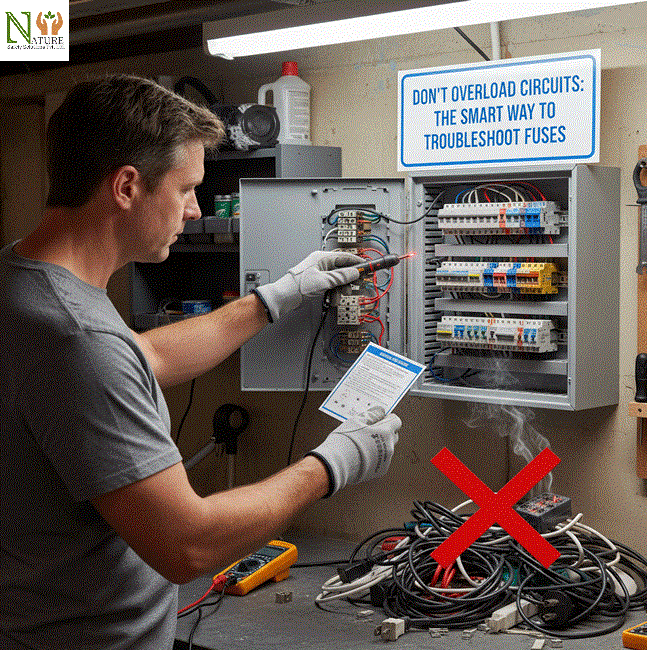
What Is Circuit Overload?
A circuit is like a road that moves electricity running to its devices. Each circuit carries a limited amount of current. However, when too many devices are plugged in, it tries to run more power than the circuit can handle. This is how wires heat up, fuses blow, or circuit breakers trip.
If an overload persists, you can damage your appliances and potentially cause an electrical fire. A circuit overload occurs when the demand for electrical current is greater than that of the circuit.
You may think of it, in the same way as overfilling a water pipe; too much pressure causes it to burst!
What Causes A Circuit Overload?
Overloading does not happen by accident. It typically occurs due to everyday actions that you probably don’t even think about. Examples of this include:
- Plugging too many devices into a single outlet or power strip.
- High wattage appliances (typical ones include heaters, irons, and microwaves) that run on the same line.
- Outdated or damaged wiring that isn’t equipped for modern loads.
- Poorly rated extension cords or chaining a lot together.
- Ignoring indicators which may include a breaker that has tripped or lights that flicker.
- Increased current flow is placed through the wires and increases strain on your electrical system.
Signs of a Circuit Overload
Your electrical system often sends you early signs that something is wrong before a problem escalates into a dangerous situation. Look for these signs:
- Flickering or dimming lights when you turn on or use an appliance.
- Frequent circuit breaker tripping.
- Warm or burned marks on plugs or outlets.
- Buzzing or crackling sounds at switches or outlets.
- Smell of something burning near electrical outlets.
If you notice any of these, some action is required, before an incident occurs.
Preventing Circuit Overload
It’s easy to avoid an overload if you use power wisely and safely. Below are methods that would be productive:
1. Spread the Load
If you can help it, don’t load multiple heavy appliances, such as irons, heaters, or washing machines, on the same outlet. If you have to use multiple heavy appliances, spread them on different circuits.
2. Understand Your Circuit Load
All circuits can only handle so much power (expressed in amps). You need to check your breaker panel for how many amps are accessible then monitor the combined power on your devices.
3. Unplug When Not in Use
Many appliances draw standby power even if they are off. Before leaving your location, unhook chargers, fans, or lamps when you don’t need them. It will cut down on energy consumed and lower the chance of overload.
4. Don’t Use the Cheap Items
Cheap power strips or extension cords may just overheat. If you must use a power strip or extension cord, make sure it is certified, heavy-duty and has surge protection. Do not connect multiple strips together/ because no one variable is responsible for an overload.
5. Maintain and Upgrade Wiring
Older wiring may not meet today’s energy demands. Have an electrician evaluate your wiring periodically in order to evaluate performance of the circuits and upgrade if necessary.
6. Be Mindful of Breakers
If your main breaker will not hold, it is prompting you to fact check on the wires. That is an indication that your circuit is drawing excessive loads. Therefore, you should assess than fix the problem.
Home Safety
Overloaded circuits are among the leading causes of electrical fires at home. You can make a positive difference by following some simple steps:
- Use energy-efficient appliances and LED bulbs.
- Never place wires or cords under carpets or rugs, or hid them under furniture.
- Avoid using multiple kitchen appliances at a time.
- Finally, remind your children to always be careful with plugs and switches.
These small changes can lead to a safer home for everyone.
Workplace Safety
In the workplace, overloaded circuits can damage machines and computers. Employers should routinely check circuit management and train employees on what to do should they come into contact with electrical circuits. Employees should always report flickering lights, outlets that are warm, and circuit breakers that trip.
Managing electrical loads within offices and factories will reduce incidents and improve the functioning of equipment. It can also minimize downtime.
Also read:-