
When working in an industrial setting, machines are constantly running and the processes around those machines are interconnecting. However, due to this constant operation, there is always the potential for releasing hazardous forms of stored energy.
This stored energy can come in a variety of different forms, including but not limited to: electric, mechanical, hydraulic, pneumatic, chemical, thermal, and even gravity. If this type of energy is released without warning, it has the potential to not only cause major damage to facilities and the surrounding area, but also cause serious physical harm and/or death to employees working in the area.
Lockout/Tagout (LOTO) is a very important safety procedure that helps prevent these types of accidents from occurring. LOTO is not just another safety rule; it serves as the first and best means to protect workers from the hazards associated with working on machinery.
Lockout/Tagout is a systematic procedure used to ensure that electrical, hydraulic, and other forms of potential source of equipment are completely disabled while employees are working on the equipment. The primary purpose of Lockout/Tagout is to ensure that a machine does not move or expel energy during maintenance or repair.
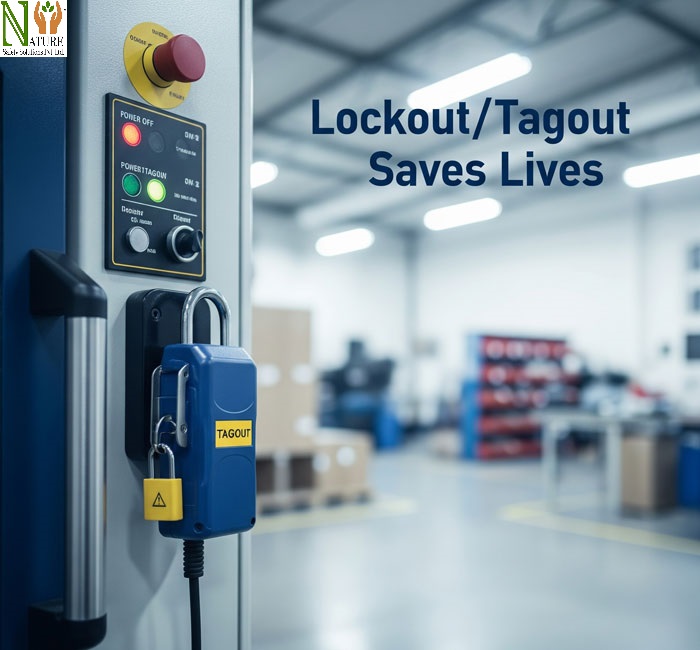
What Does Lockout/Tagout Mean?
There are two components of Lockout/Tagout:
Lockout: Stopping the operation of equipment by using a lock to block access to an energy-isolating device(such as circuit breakers, valves, etc.). The purpose of locking out the energy-isolating device is to ensure that the equipment cannot be operated until the lock is removed.
Only the worker who locks out the energy-isolating device will have access to that lock until the work is complete. Each worker will use their own lock to lock out the energy-isolating device. It is essential to follow the “one worker, one lock” principle. The “one worker, one lock” principle is essential to ensuring that workers are held accountable for their actions and that all workers stay safe.
Tagout: Tagout is used to indicate that a piece of equipment is in maintenance mode. The tag identifies that the equipment is not to be turned on while the maintenance is in progress. Tagout provides a visual warning to anyone who may want to operate the equipment.
The tag identifies the type of work being done, the date and the name of the worker doing the work. A tag is a warning sign and does not prevent the equipment from being turned on. For this reason, lockout is generally safer and required whenever possible.
Doesn’t LOTO Eliminate the Hazard?
The LOTO system is your first line of defense against workplace hazards, because it is both proactive and comprehensive.
Source Elimination
LOTO eliminates the hazard by de-energizing and/or shutting down the equipment. PPE does not provide an adequate level of protection; it protects the individual from the hazard, not the equipment itself.
LOTO offers a complete elimination of the hazard. Elimination offers the highest level of control over a workplace hazard as compared to substitute methods, engineering controls, administrative controls, or PPE, based on the hierarchy of hazards.
Prevention of Accidental Startup
Accidents from machines unexpectedly starting up while someone is near or working on them are one of the leading causes of injury or death from industrial equipment.
The Lockout/Tagout (LOTO) procedure prevents this from happening by isolating the machine’s power source from all its components. Once a Lockout/Tagout procedure has been completed for a specific piece of equipment, that machine will not operate again until the work is finished and everyone who was involved with the job has been removed from the equipment area.
Control of Residual Energy
Even after a machine is turned off, some still contain hazardous amounts of residual energy. The energy can come in the form of compressed air, hydraulic fluid or charged electrical components or weighty materials held in place due to gravitational pull.
The Lockout/Tagout process safely manages these forms of residual energy through procedures designed to contain, release or safeguard such energy to avoid injury to workers.
Encourages Accountability
The philosophy of ‘One Employee = One Lock’ emphasizes individual accountability, because each employee will have their own lock and take responsibility for that lock. Not only does this provide security for the equipment being worked on, but it also prevents anyone besides the authorized employee from removing a lock from that piece of equipment without the employee’s consent.
Standardizes Safety Protocol
A well-built Lockout, Tagout (LOTO) program will contain detailed, step-by-step instructions for each machine. These instructions will be tailored specifically for each machine. By having all employees follow these common safe work practices, mistakes are reduced and protection is increased for all employees.
Minimises Human Error
Being a systematic, planned out, and documented process, Lockout/Tagout (LOTO) helps eliminate the opportunity for mistakes, which could lead to injuries and/or death when working around machinery. Workers must check and verify each of the steps of the process, thus removing the need to guess or move through it quickly.
Consequences of not following LOTO Procedures
The serious consequences of ignoring or circumventing LOTO Procedures include:
- Death: Employees may experience fatal injuries such as being crushed, entangled, electrocuted, or burned due to machinery unexpectedly being activated.
- Severe Injury: Some examples of severe injuries that can happen are amputation, broken bones, severe burns, and internal injuries.
- Damaged Equipment: Uncontrolled release of energy into machinery has the potential to damage machines, which may result in costly repair bills and significant production downtime.
- Legal Actions: Companies and employees found guilty of violating LOTO procedures face fines, prosecution, and reputational harm, especially where the law imposes severe penalties for LOTO violations.
- Low Work Morale: Employee accidents resulting from the absence of proper safety precautions negatively impact employee morale, erode trust, and create a work environment of fear.
Key Components of an Effective LOTO Program
In order for a LOTO program to function effectively as a “first defense”, it must be comprehensive and continually reinforced.
- Written Lockout/Tagout Procedures: Each Machine should have a specific written document that details each step necessary to isolate, lockout, and reactivate the Equipment.
- Employee Training: It is a requirement under the recent OSHA regulation that all “affected” and “Authorized” employees receive complete training on Lockout/Tagout procedures including identifying where the sources of energy are located on machines, what Lockout/Tagout means, and what their respective responsibilities will be under the same, plus regular times for retraining.
- Energy Control Devices: It must include availability of the appropriate lockout devices (example: Locks, Tags, Chains, Wedges or Blocks) and Energy-Isolating Devices.
- Periodic Inspections: Regular Review of Procedures and Compliance of Employees to ENSURE PROCEDURES ARE WORKING AND IDENTIFIY DEFICIENCIES.
- Communication: Clear and consistent communication between shifts and departments and Contractors related to the current status of Lockout/Tagout.
- Distinction Between Authorized & Affected Employees: Training and Understanding must be tailored to meet the necessary level of the Authorized (perform Lockout/Tagout) and Affected employees (operating or in proximity to locked out Equipment).
Also read:-