
Electrical energy is an integral part of many businesses today, however, improper maintenance of electrical systems can put your company’s operation at risk. Electrical problems are common in many types of work environments including manufacturing plants, warehouses, building sites (construction), and offices.
Poorly maintained electrical systems can lead to many dangers, including fires, electrical shock injuries, equipment destruction, and lost production time. Regular electrical system audits will help you to identify potential issues before they occur, and at the same time, establish a reliable and reputable electric power source for your business.
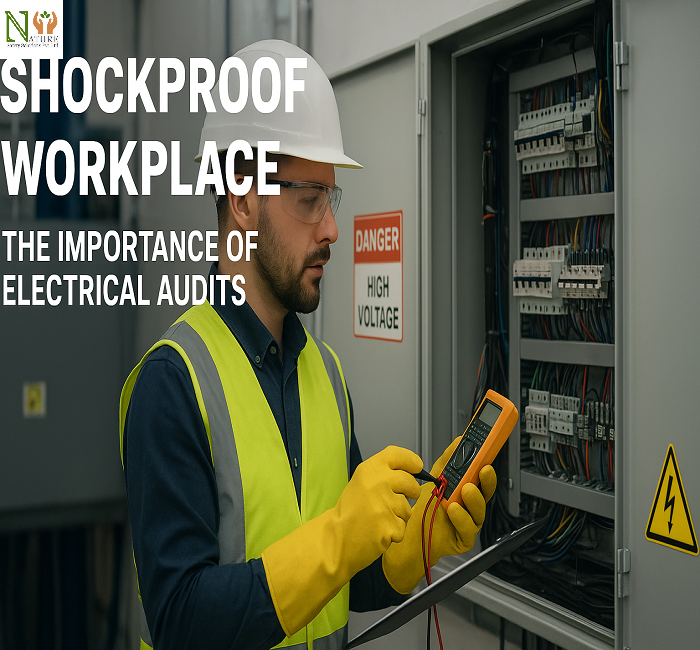
What is an Electrical Audit?
An Electrical Audit is a thorough inspection of all aspects of the electrical system and equipment, including wiring, installations, etc. The primary objective of performing this type of audit is to identify hazards, assess whether the system meets current health and safety requirements, and make recommendations for potential improvements.
In addition, the Electrical Audit will review the following equipment: electric wiring, switchgear, ground fault circuit interrupter (GFCI) devices, overload protection devices, portable electric cords (extension cords), and electrical distribution panels.
A proper Electrical Audit will also include a review of documentation related to the operation of the electrical system, including electrical system maintenance logs, wiring diagrams and schematics, and employee safety training records, to validate that the operation of the electrical system complies with applicable electrical safety laws and regulations.
Electrical Audit Necessities
Like any physical structure, electrical systems have some age and therefore some level of obsolescence. Loose connections, excessive current draw on circuits, broken circuit breakers or fuses, and damaged wiring insulation are different examples of severe electrical risks. Unchecked over time, these types of issues will remain undetected until they endanger both personnel and property.
Here are some reasons why an individual should perform electrical audits:
- Why Prevent Electrical Fires: Overloaded Circuits, Bad Wiring
- How to Reduce the Risk of Electrical Shock: Workers injured by damaged cords, exposed wires, and lack of equipment grounding.
- Meeting Regulations and Standards: All electrical installations must comply with federal and state regulations, OSHA standards, etc.
- Enhance Machine Operation by Optimising Electrical System Use: A well-maintained electrical system contributes to an efficient operating environment for your equipment, therefore reducing wasted energy.
- Reduce the Cost of Business by Detecting Electrical Problems Early: Electrical issues are often found before they cause failures and/or unplanned shutdowns.
What is Covered in an Electrical Audit?
Typically a full audit will examine:
- Electrical wiring and the electrical panels’ condition
- Circuit-breakers and safety equipment tested for performance
- Earthing / Grounding Systems
- Load Balancing/ Capacity of the Electrical System
- Condition of Electrical Power Outlets, Plugs and Cables
- Labeling of Electrical Equipment & Keeping up-to-date Electrical Maintenance Records
- Using Extension Cords & Relocatable Power Towers Safely
- Appropriate use of PPE and safe Work Procedures
Additionally, auditors assess whether employees are properly trained to work safely with respect to Electric Hazards.
Benefits of Regular Electrical Audits
When electrical audits are done consistently over time, they provide many long-term benefits. They reduce hazards and create a safer working environment for employees. They also reduce maintenance expenses because most small problems can be discovered and corrected prior to becoming larger problems. By enhancing electrical efficiency, businesses reduce their energy consumption and ultimately improve their productivity.
Also read..