
Electricity is an essential part of everyday life. From lighting our homes to electric machines for work, it makes everything work. But behind every bulb and charging phone, there is an internal system — wires that safely carry that energy to where it is needed. These quiet strands are the foundation of every electrical system. If they are not installed or maintained correctly, they can use a useful function and become a dangerous threat to safety.
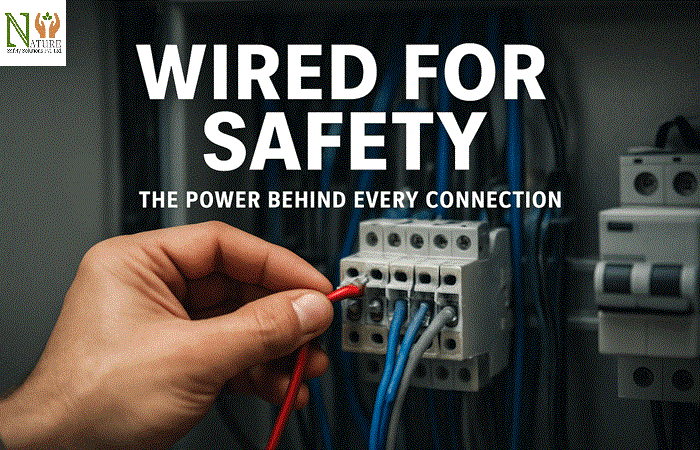
The Lifeline of Electricity
Wires are similar to the arteries of your home or office. They carry the energy from your primary power source to every corner of your facility. Weak and unsafe wiring means the energy is not going to be brought to the electrical system effectively.
But most people forget the fact that wiring is not permanent. Over time, heat, humidity, and wear will weaken the wires. With the growing electrical demand – mainly due to population increase, and adding devices, appliances, and machines – the age and low-quality wiring struggle to handle the demand, and that is when the safety issues occur.
The Dangers of Damaged Wiring
A single wire that is damaged can spell disaster. Electrical faults are among the most common sources of household and industrial fires. When the insulation on a wire breaks down or a wire conveys more electricity than it was designed to carry, the wire can short, overheat, and catch fire.
Some of these risks include:
- Short circuits: This can happen when damaged or exposed wires are able to touch each other.
- Overheating: This is an increased risk as wires carry more current than they were designed to deliver.
- Electrical shocks: From wires that do not have proper insulation.
- Fire hazards: From sparks, overloading, or melted insulation.
Most of these risks can go undetected for months or years before one tiny spark causes havoc.
Things to Never Ignore
Typically, your electrical system will give you some kind of early warning before a failure. Here are some things to look for:
- Flickering or dimming lights.
- Burning smells or smoke around the switches and outlets.
- Warm or discolored wall plates.
- Frequent tripping of circuit breakers.
- Buzzing or crackling sounds coming from electrical panels.
If you see any of the above items, you should turn off the power right away and call a qualified electrician. It’s better to correct a small problem than risk a disaster.
Smart Wiring Practices for Safety
One of the best aspects of electrical safety is that most aspects come down to awareness and good habits. Following these simple recommendations will help keep your wiring both safe and reliable:
1. Always Use Certified Wires
For best performance and safety, use copper wire that has been ISI or CE-marked. These wires are more resilient to increased loads without risk of overheating.
2. Hire Qualified Professionals
While it may seem easy to work with a few wires, it can be very dangerous. Always have your wiring installed or repaired by a certified electrician.
3. Don’t Overload Circuits
Do not plug in too many high-power devices into one socket or extension cord. Try to distribute the electrical load over multiple sockets.
4. Keep Wiring Dry and Protected
Do not run wires anywhere near water, underneath carpets, or behind furniture where they may become damaged.
5. Schedule Regular Maintenance
Investigate your wiring every couple of years, particularly in older homes or business establishments. Regular condition checks will help prevent overheating, loose connections, or wear.
Electrical Safety in the Workplace
Poor wiring in an office, factory, or warehouse can cause not only expensive downtime, damage to machines or the facility, but also serious injuries and perhaps even fatalities. Ways to protect against poor wiring include:
- Performing planned electrical audits.
- Clearly labeling every power switch.
- Immediately replacing damaged cords.
- Providing safety training to employees so they understand potential hazards.
The worst scenario is avoiding negligence and pruning risks. A good working electrical system will help mitigate injuries and improve efficiency as well as reliability.
Keep in touch – securely
When electric wires are out of sight, they should not be out of mind. Good wiring protects your home, your devices, and, most importantly, your life.
So prior to plugging in a new appliance or adding another extension cord, ask yourself: are your wires ready to handle the load?
Stay alert, stay aware, and stay wired for safety. Because ALL connections matter.
Also read:-